Autonomous planning in practice: akeno and Surventis at Handelsblatt Chemie 2026
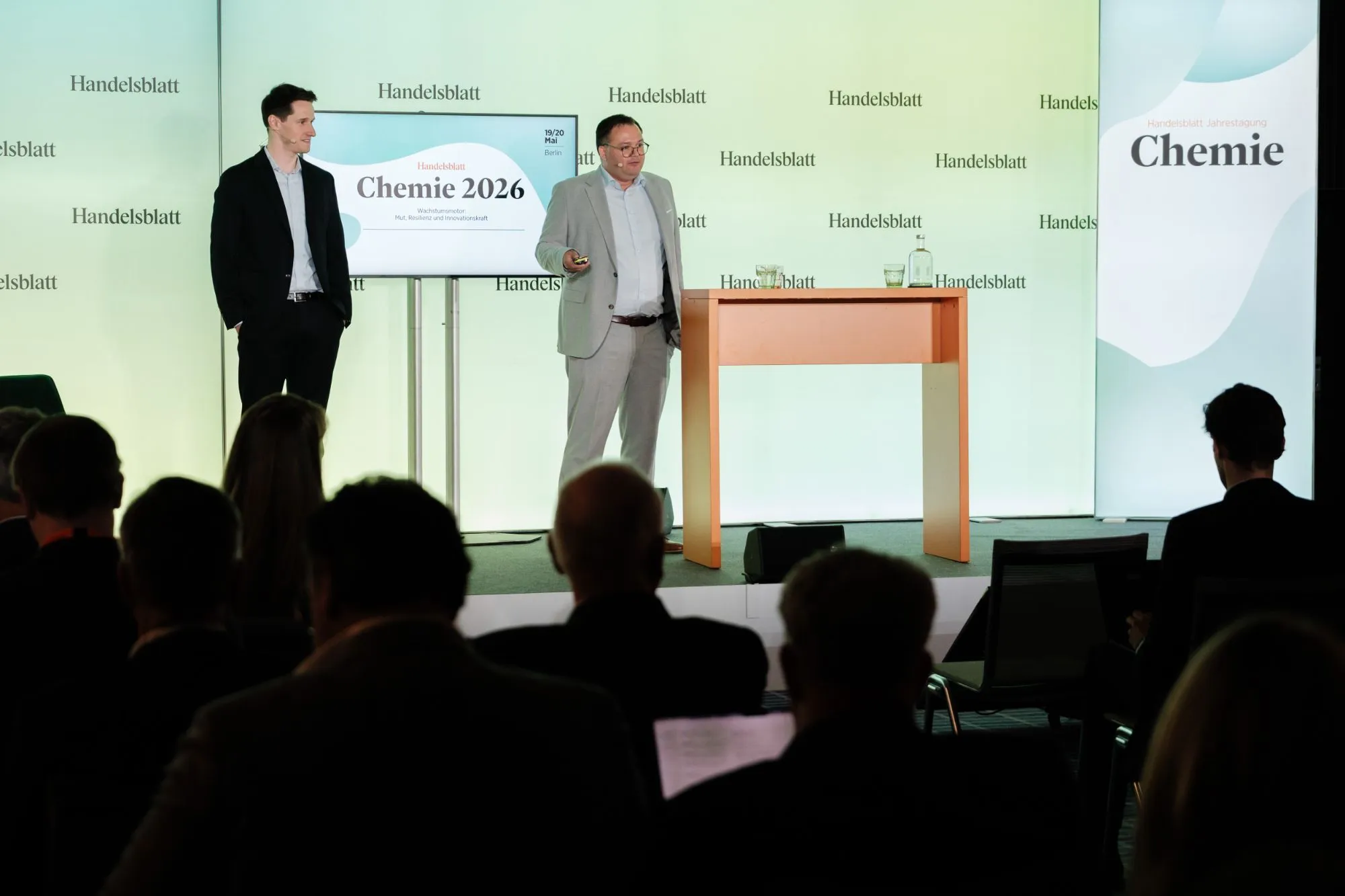
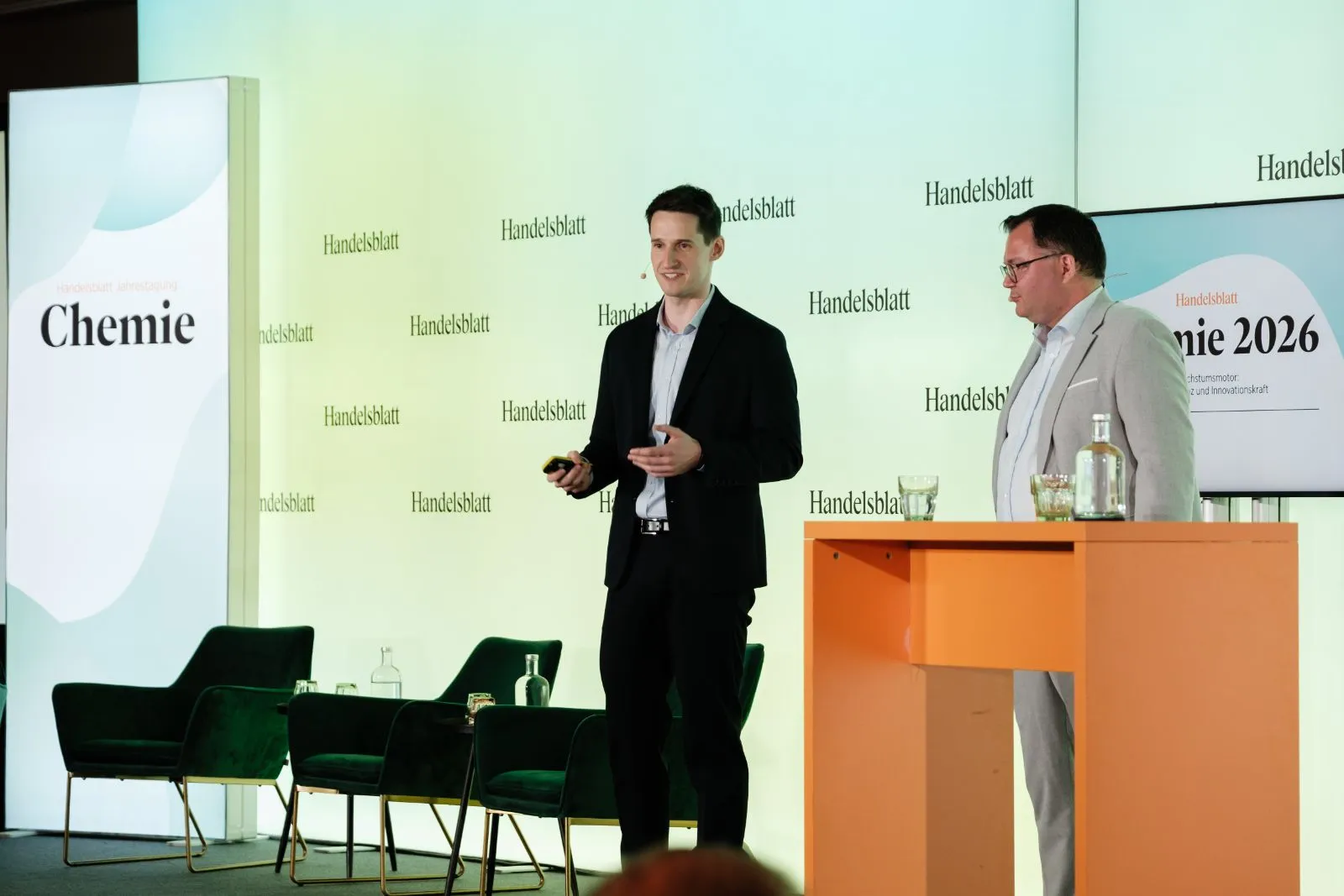
At the Handelsblatt Jahrestagung Chemie in Berlin, Alexander Ebbrecht, co-founder and CEO of akeno, and Patrick Thomsen, Director Supply Chain for Automotive OEM Coatings Solutions at Surventis (formerly BASF Coatings), gave a best practice talk on autonomous production planning and scheduling. Their message to the industry: planning decides the P&L, and the window to act is closing.
This year's conference ran under the motto "Wachstumsmotor: Mut, Resilienz und Innovationskraft". Few topics fit it better than the question of how industrial companies decide what to make, where and when.
Planning is where the P&L is decided
The talk opened with a simple claim: planning is not where companies save time. It is where the P&L is decided. Every plan shapes four things at once: customer trust, margin, capital and resilience.
From a paper map to Google Maps
Ebbrecht and Thomsen compared today's production planning to navigating with a compass and a paper map: slow, linear and static. What the industry needs looks more like a satellite in your pocket: reactive, quantified and live. A route that updates itself the moment conditions change.
The tools most chemical companies still run on hurt the business in four ways. Long reaction times mean lost opportunities. Predictability keeps eroding. Inventory is held as a buffer and ties up capital. And there is a demographic time bomb: within the next five to ten years, many of the experts who hold today's plans together will retire.
The visible part is not the part that matters
ERP systems show an abstract picture of production. Real production lives below the waterline: in MES, in sensors, in quality data. akeno builds a complete digital twin of production and leverages all of this data, not just the part that is visible from above.
Trust is the real bottleneck
The central insight of the talk: the limit is not what can be automated. It is how far a team trusts the system. Ebbrecht and Thomsen described the path as a dial, from manual to assisted, supervised, trusted and finally autonomous planning. The question every company has to answer is how far it wants to go.
Trust, not automation, is the actual bottleneck.
What made it work
Drawing on their joint project, the two speakers named five success factors: strong management support, an internal process designer, a pilot first and then scale, local change management, and staying ruthless on the core.
Move now, or be moved
The talk closed with a warning. Technological advantage accelerates business, and for a while, investment can still catch up. After a point of no return, the gap is no longer recoverable. Being slow makes companies vulnerable.
To make the point tangible, the final slide showed an imagined newspaper front page from May 2028, headlined "Zwei Klassen Chemie": an industry split in two, between the plants that started with autonomous planning in time and those that did not.
Sharing the stage with our clients
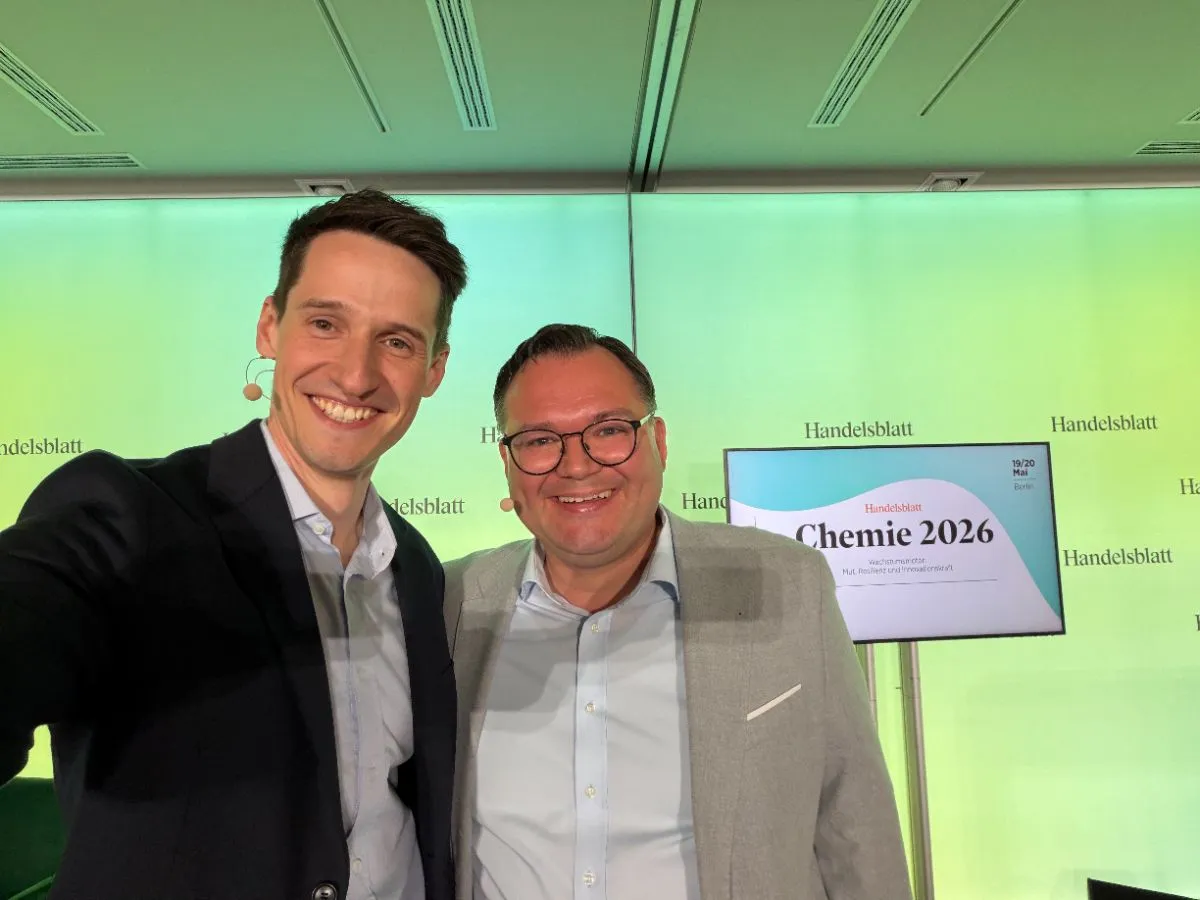
For akeno, the talk marked a shift. The team has attended industry events for some time, but it is no longer the newcomer in the room. Being invited onto the stage with a client is the strongest signal of trust there is.
"We are no longer just the new ones. Today, we are an integrated part of this industry. We are earning recognition and trust, and that has opened the door to much deeper, more strategic discussions," says Alexander Ebbrecht. "Sharing the stage with our clients is the ultimate statement of trust. Thank you, Patrick."
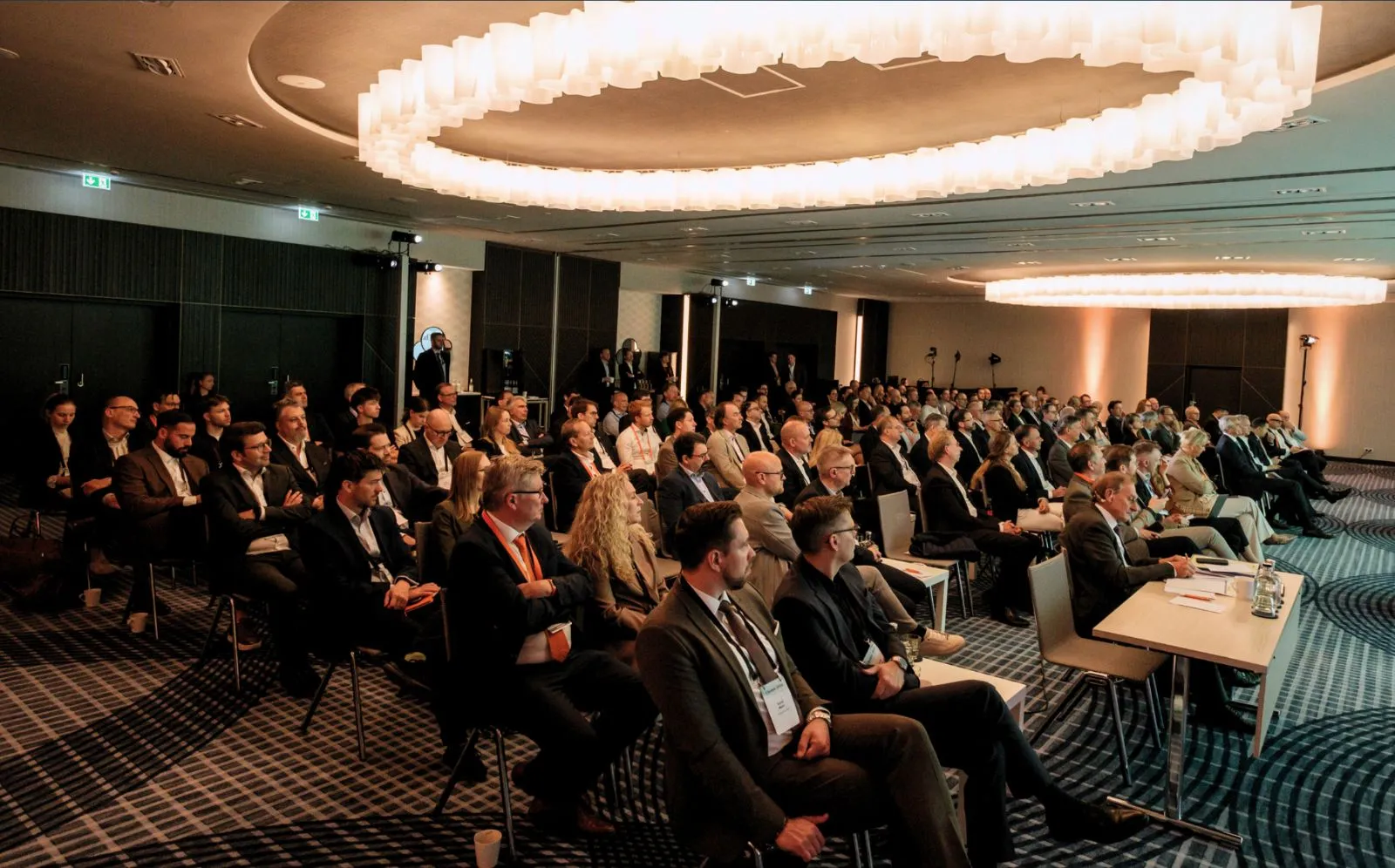
Thanks also go to Handelsblatt for organizing the Jahrestagung Chemie.
Links
- AnnouncementJoin our talk at Handelsblatt Jahrestagung Chemie 2026 ↗
- RecapWe are proud ↗
- HandelsblattRecap of the Jahrestagung Chemie 2026 ↗